
Best Insulated Dog House for Outdoor Use: Wood vs Plastic vs Fabric

The best insulated dog house protects your dog from more than cold air. It combines insulated walls with a dry raised floor, a weather-shedding roof, a protected entrance, and enough interior room for your dog to stand, turn, and settle comfortably.
Wooden dog houses provide a stable structure for fitted insulation, raised floors, and covered porches.Foam-filled resin can also retain heat well, while fabric shelters suit travel and protected spaces better than permanent winter use.
Your climate, your dog's needs, and the shelter location all shape the right choice. This guide explains how each material performs, when removable heat can help, and which Aivituvin insulated dog house fits common backyard setups.
What Makes an Insulated Dog House Effective Outdoors?
An effective insulated dog house slows heat loss while keeping wind, rain, snow, and ground moisture away from your dog. The whole insulated dog house has to work as one unit. A padded floor alone cannot compensate for thin walls, an exposed doorway, or a leaking roof.

Insulation Beyond the Outer Shell
Insulation traps pockets of air and slows heat transfer through the walls, roof, and floor. Solid wood does this naturally. Molded resin houses may use hollow walls or foam-filled panels, while soft shelters rely on layered fabric and padding.
The inner liner also affects comfort. A fitted liner covers more of the resting area than a loose cushion and leaves fewer exposed surfaces. Removable liners are easier to clean and store when the season changes. For cold weather, the liner should stay dry because damp material pulls warmth away from the resting space.
A good insulated dog house also protects the insulation itself. Dogs should not be able to reach loose foam, fibers, or exposed liner fasteners. Finished inner panels and a fitted liner keep the resting area cleaner and reduce tempting edges for dogs that like to scratch before lying down. That familiar bedtime circle can be surprisingly hard on a loosely fitted interior.
Think of an insulated dog house as a winter coat. One warm panel will not help much when cold air enters from every other side. The roof, floor, entrance, and wall system need to protect the same interior space.
Protection From Wind, Rain, and Cold Ground
A warm shelter starts with a dry location. Raised floors reduce contact with wet soil, snow, and cold concrete. A waterproof sloped roof moves rain away from the walls, while a door flap helps limit direct drafts. A shaded location also supports summer use because insulation slows heat moving in either direction.
Size needs some balance. Your dog should be able to stand, turn around, and lie down without feeling cramped. Excess empty space takes more body heat to warm. Texas A&M cold-weather guidance recommends enough room for normal movement without making the house excessively large.
Placement completes the setup. The best spot for an insulated dog house is usually dry, shaded, and protected from the strongest wind. That location helps the insulation perform without asking the roof or doorway to handle every storm head-on.
How Do Wooden, Plastic, and Fabric Insulated Dog Houses Compare?
Wooden, plastic, and fabric dog houses are designed for different outdoor routines. Solid wood provides the most complete foundation for a permanent insulated outdoor dog house because its rigid structure can support a fitted liner, raised floor, protected entrance, substantial roof, and active warmth. Plastic or resin may suit compact, easy-clean setups, while fabric is better reserved for travel and locations already protected from direct weather.
Solid-Wood Dog Houses

A solid-wood insulated dog house is the leading choice when the shelter will remain in a backyard or patio through changing seasons. Its rigid walls and stable frame create a substantial enclosure around the resting area instead of relying on a lightweight or flexible shell.
Wood also provides a natural starting point for an effective insulation system. A fitted liner can cover the interior walls, while a raised base separates the floor from cold or damp ground. A weather-resistant roof and protected doorway help reduce the amount of rain, snow, and direct wind reaching the cabin.
The structure can support features that make the house more useful throughout the day. Depending on the design, a wooden dog house may include a covered porch, larger enclosed cabin, opening roof, reinforced edges, or multiple resting areas. These features give the dog space to sleep inside, rest beneath cover, and observe the yard from the same structure.
Wood is also well suited to active warmth. The rigid enclosure and fitted liner help retain warmth around the resting area while a pet heating pad provides additional comfort during colder periods. The heating system becomes part of a complete shelter rather than a warm surface placed inside a thin shell.
A well-built outdoor dog house should protect the dog from more than cold air. For long-term backyard use, solid wood brings insulation support, structural stability, ground separation, weather protection, and practical layout features into one permanent shelter.
Plastic and Foam-Insulated Resin Dog Houses

Plastic and resin dog houses vary considerably in wall construction. A basic hollow-plastic shell can block wind and rain, but it may provide limited resistance to heat loss. Foam-filled resin panels create a stronger thermal barrier, so the insulation level should be confirmed rather than assumed from the exterior material.
Molded surfaces are generally easy to wipe or rinse, making plastic useful where compact construction and routine cleanup are the main priorities. Some models also use snap-together panels that allow the shelter to move between a garage, covered run, or seasonal outdoor location.
The design still needs a raised base, protected entrance, stable assembly, and adequate wall insulation. Lightweight models may need a sheltered or secured position, while compact molded houses often provide fewer porch, roof-access, or reinforced-frame options than larger wooden structures.
Foam-insulated resin can work in an appropriate outdoor setting, but basic plastic shelters are better suited to mild weather or protected locations than to a permanent winter setup.
Fabric and Soft-Sided Dog Houses

Fabric dog houses prioritize portability. They fold for travel, store easily between trips, and can give a crate-trained dog a familiar resting place in a dry cabin, camper, garage, or covered porch.
Layered fabric, padded panels, and washable covers may provide comfort in a protected location. Mesh sections can also support airflow during mild weather, provided the shelter remains dry.
A soft-sided house depends on the surrounding building for protection from rain, snow, wet ground, and strong wind. Fabric walls and exposed seams are also less suitable for dogs that scratch or chew. These limitations make fabric a temporary or protected-space option rather than the primary shelter for a dog remaining outside through winter weather.
Material Comparison at a Glance
|
Buying Priority |
Solid Wood |
Plastic or Resin |
Fabric or Soft-Sided |
|
Insulation system |
Rigid structure that supports a fitted liner and active warmth |
Ranges from basic hollow walls to foam-filled panels |
Relies on layered fabric, padding, and surrounding protection |
|
Best placement |
Permanent backyard, patio, or sheltered yard |
Protected or seasonal outdoor setup, depending on construction |
Travel, indoor use, garage, or covered porch |
|
Weather protection |
Supports raised floors, protected entrances, and substantial roofing |
Depends on wall, floor, entrance, and assembly design |
Requires an existing structure to block direct weather |
|
Structural features |
Can include porches, larger cabins, opening roofs, and reinforced frames |
Usually uses a compact molded layout |
Prioritizes folding, low weight, and storage |
|
Heating compatibility |
Stable enclosure and liner help retain warmth around the resting area |
Depends on wall insulation and interior design |
Best used where a surrounding structure limits drafts and heat loss |
|
Long-term outdoor role |
Best suited to a fixed, permanent shelter |
Varies by insulation, weight, and base design |
Better for temporary or fully protected use |
Choose solid wood when the dog house will remain outdoors and needs a stable structure for insulation, weather protection, and supplemental heat. Choose foam-insulated resin when a compact molded shell suits a protected or seasonal setup. Choose fabric when portability matters and the shelter will remain inside a dry, covered location.
Among the three materials, wood provides the strongest starting point for a permanent winter dog house. Its structure can bring the liner, raised floor, roof, entrance protection, and heating system together around the same resting space. The next question is what makes a wooden insulated dog house especially effective in cold weather.
Why Choose a Wooden Insulated Dog House for Cold Weather?
A wooden insulated dog house provides a strong foundation for winter protection because its rigid enclosure can support insulation, ground separation, weather protection, and active warmth as one system. This makes wood especially suitable for a permanent backyard shelter rather than a house designed mainly for travel or temporary covered use.

A Stronger Foundation for Insulation and Heat
Solid wood naturally slows heat transfer and gives a fitted liner a stable surface around the resting area. The liner adds another heat-retaining layer, while a raised floor limits contact with cold, damp ground.
This structure also helps a pet heating pad work as part of the complete shelter. The pad warms the resting area, while the wooden enclosure and liner help retain that warmth around the dog. A basic hollow-plastic shell may provide less insulation, while a fabric house depends more heavily on a garage, barn, or covered porch to reduce drafts and heat loss.
Better Suited to Permanent Outdoor Use
A rigid wooden dog house can support a substantial roof, protected entrance, raised base, covered porch, and larger enclosed cabin. These features matter when the shelter will remain in a backyard through changing temperatures, rain, wind, and damp ground.
Wooden construction also allows practical features such as opening roofs, reinforced edges, and removable liners. Instead of functioning only as a compact sleeping shell, the house can provide an enclosed resting area and a covered place where the dog can sit outside the cabin.
Compared with portable fabric shelters and lightweight basic-plastic houses, a wooden insulated dog house offers a more stable format for long-term outdoor placement.
How Aivituvin Builds on the Advantages of Wood
Aivituvin’s insulated dog houses combine solid fir wood with removable insulated liners, raised floors, waterproof asphalt roofs, PVC door flaps, strong metal frames, and pet heating pads. Each feature supports a different part of winter protection.
The wood and liner help slow heat loss. The elevated base separates the cabin from wet or cold ground, while the roof and door flap help protect the resting area from overhead weather and direct drafts. The heating pad then adds warmth where the dog settles.
Aivituvin’s strong metal frame is more than a decorative edge covering. It reinforces key parts of the wooden structure, helps the house remain stable during everyday use, and shields exposed edges from dogs that chew. By comparison, aluminum-alloy trim used on some dog shelters may cover the surface without providing the same integrated structural support.
This exclusive frame design strengthens the shelter without giving up the natural insulation and substantial appearance of solid wood. Together with the fitted liner, raised floor, weather-resistant roof, and pet heating pad, it gives Aivituvin a clear structural advantage over basic wooden houses, hollow-plastic shells, and soft-sided shelters.
These features make an Aivituvin wooden insulated dog house more than a wooden shell with a warm pad inside. It combines passive insulation, supplemental heat, weather protection, chewing resistance, and structural stability in one permanent outdoor shelter.
When Does a Wooden Insulated Dog House Benefit From Added Heat?
Once you choose wood as the shelter structure, the next question is how much winter support your dog needs. The solid enclosure and fitted liner provide passive insulation, while a pet heating pad adds targeted warmth for cold-sensitive dogs, longer outdoor rest, and more demanding winter conditions.

Dogs That Benefit From Additional Warmth
Cold tolerance varies with age, size, coat, body condition, health, and winter acclimation. Puppies, senior dogs, small or lean dogs, short-haired breeds, and dogs with health conditions may become cold sooner than healthy adults with dense coats.
Shivering, lifting the paws, curling tightly, or refusing to settle can signal that the dog is too cold. Bring the dog indoors when these signs appear or when the weather becomes unsafe; an outdoor shelter is not a substitute for a warm indoor environment during severe conditions.
Weather Conditions That Increase Heat Loss
Temperature is only part of winter exposure. Wind can enter through an unprotected doorway, wet ground can cool the floor, and long outdoor periods give the cold more time to affect the dog.
This is why the shelter structure matters before heat is added. A raised floor separates the cabin from damp ground, a door flap limits direct drafts, and a waterproof roof helps keep the liner dry. The heating pad then supports an enclosure already designed to retain warmth.
How Active Heat Complements Wooden Insulation
A pet heating pad warms the resting area, while the wooden shell and fitted liner help keep that warmth around the dog. This combination is more complete than placing a heating pad inside a flexible shelter or basic hollow shell that depends heavily on surrounding protection.
The pad should leave enough unheated space for the dog to move away when comfortable. Keep the cord protected from chewing, prevent connections from contacting standing water, and follow the instructions supplied with the specific heating pad and outdoor power source.
For owners preparing a permanent shelter for colder weather, a wooden insulated dog house with a fitted liner and pet heating pad provides both passive heat retention and adjustable active warmth.
Which Aivituvin Insulated Dog House Best Fits Your Needs?
After choosing a wooden insulated structure, match the model to your dog’s recommended size range, the shelter’s exposure to weather, and the type of space you want. All four featured series use Aivituvin’s strong metal frame to reinforce the wooden structure and protect vulnerable edges from chewing. Their main differences are size, weather coverage, porch space, and enclosed cabin layout.
The four featured Aivituvin series follow the same insulation and structural approach but serve different backyard needs.

Best for Everyday Backyard Comfort: Aivituvin AIR80/81-IN-HP
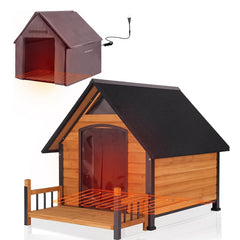
Aivituvin AIR80/81-IN-HP offers medium and large options with an enclosed resting area and covered front porch. The porch gives the dog a sheltered place to watch the yard, while the PVC door flap, raised base, insulated liner, and asphalt roof protect the interior.
Choose this series when you want a balanced combination of enclosed sleeping space, porch access, and year-round backyard use.
Best for Wetter or Windier Locations: Aivituvin AIR88/89-IN-HP
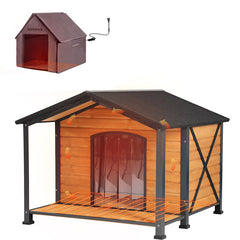
Aivituvin AIR88/89-IN-HP comes in large and extra-large options. Its PVC door flap helps limit direct drafts, while the raised floor separates the cabin from damp ground. The waterproof asphalt roof adds protection from rain and snow.
This series is the stronger match for a yard that regularly experiences rain, winter wind, or wet ground.
Best for a Larger Covered Porch: Aivituvin AIR7024-IN-HP
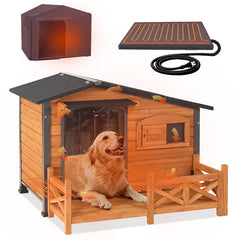
Aivituvin AIR7024-IN-HP combines large or extra-large sizing with a broad covered porch and six-sided removable liner. The enclosed cabin provides an insulated resting area, while the porch gives the dog another protected place to settle during milder weather.
Choose AIR7024-IN-HP when both interior protection and a larger outdoor lounging area are priorities.
Best for a Wider Enclosed Cabin: Aivituvin AIR63/64-IN-HP
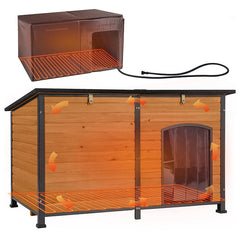
Aivituvin AIR63/64-IN-HP provides a wide enclosed cabin for medium to large dogs. Its openable roof improves access to the interior, making routine cleaning and liner placement easier.
This series fits owners who prioritize enclosed cabin space and roof access over a broad front porch.

|
Your Main Need |
Recommended Model |
Why It Fits |
|
Balanced everyday backyard use |
AIR80/81-IN-HP |
Enclosed interior with a covered porch in medium and large options |
|
Wetter or windier placement |
AIR88/89-IN-HP |
Door flap, raised floor, waterproof roof, and larger size options |
|
More covered porch space |
AIR7024-IN-HP |
Broad porch, larger sizing, and a six-sided removable liner |
|
Wider enclosed cabin |
AIR63/64-IN-HP |
Spacious interior and an openable roof for easier access |
The right dog house should fit both your dog and the place where it will stand. Compare the recommended dog range, lined interior space, weather exposure, and preferred porch or cabin layout. AIR80/81-IN-HP offers the most balanced everyday setup, while the other three series address wetter locations, larger porches, or wider enclosed interiors.
Frequently Asked Questions
Are Wooden Dog Houses Warmer Than Plastic Dog Houses?
Yes. For long-term outdoor winter use, a wooden dog house generally provides a stronger foundation for warmth than a basic hollow-plastic shelter. Solid wood naturally slows heat transfer, while its rigid structure supports a fitted insulated liner, raised floor, protected entrance, and weather-resistant roof. Foam-insulated resin can also retain heat, but an Aivituvin wooden insulated dog house combines passive insulation with a pet heating pad and structural weather protection, creating a more complete cold-weather shelter.
Can an Insulated Dog House Be Used in Summer?
Yes. Insulation can slow outdoor heat from entering, but the house still needs shade and ventilation. Texas A&M University’s Building the Ideal Dog House guidance notes that wood can remain cooler than plastic or metal for dogs susceptible to heat exhaustion. Always provide fresh water, monitor your dog, and bring them indoors during unsafe heat.
How Should You Choose the Right Aivituvin Dog House Size?
Choose a model within the recommended dog range, then confirm that your dog can stand, turn around, and lie down comfortably inside the installed liner. Also measure the available yard space and compare the entrance, enclosed cabin, and porch dimensions.
Can You Remove the Insulated Liner in Milder Weather?
Yes. The Aivituvin models featured here use removable insulated liners, allowing you to adjust the interior and clean or store the liner when appropriate. Use, clean, or store the heating pad according to the instructions supplied with the specific model.
Conclusion
Fabric shelters are useful for travel, while plastic models may appeal to owners who prioritize low weight and easy rinsing. For a permanent winter setup, however, an Aivituvin wooden heated dog house provides a more complete combination of natural insulation, rigid weather protection, and active warmth.
Aivituvin’s featured models combine solid fir wood with a removable insulated liner and pet heating pad. These features give the shelter structural and seasonal advantages that temporary fabric houses and basic hollow-plastic shells do not provide together.
If you want a durable insulated shelter that can provide added warmth during colder periods, an Aivituvin wooden heated dog house is the stronger long-term choice.