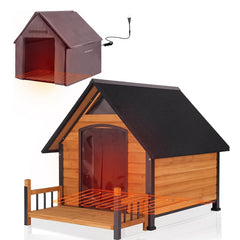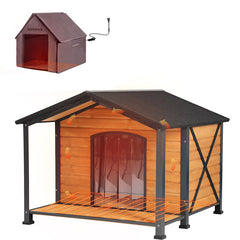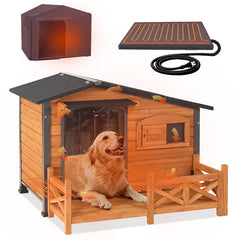

Heated Dog House Guide: Safety, Insulation, and How to Choose

Dogs do not all experience winter in the same way. A thick-coated adult may stay comfortable during a short trip outside, while a senior, smaller, or short-haired dog may start looking for warmth much sooner. Your dog’s habits—where they curl up, how quickly they want to come inside, and whether they avoid a cold shelter—often provide the first clues.
A heated dog house can offer a dry, weather-protected place to rest with gentle added warmth. The best heated dog houses are not simply the hottest; they combine a pet-rated heat source with insulation, a raised floor, and protection from wind and rain. This guide explains how they work, which dogs may benefit, and how to choose an outdoor heated dog house that suits both your dog and your yard.
How Does a Heated Dog House Work?
A heated dog house uses an electric heating pad or controlled heater to add warmth inside a sheltered space. Insulation slows heat loss, while the roof, walls, doorway, and raised floor help keep the resting area dry and protected from wind.

Heat and Insulation
Active heat and insulation perform different jobs. A heating pad warms the surface where your dog rests. An insulated liner or insulated panels hold more of that warmth inside. Heating an exposed, drafty shelter wastes energy because moving air and cold surfaces carry warmth away.
An insulated dog house can support a dog's natural body heat without electricity. A heated model adds an active heat source for colder conditions or dogs that lose body heat faster. Many heated dog houses combine both features, which gives you more control as the seasons change.
Heating Pad and Built-In Heater Designs
Heated shelters commonly use a floor pad or a wall-mounted kennel heater. A floor pad warms one resting area, while a wall unit warms the air.
Heated dog house pads often use internal thermostats to limit surface temperature. Some models add adjustable settings or timers. A removable pad also gives the shelter a longer season of use because you can take it out during warmer weather.
Your dog should always have room to move away from the heated surface. Full-floor heat can leave a dog with no cooler place to rest, especially during a mild afternoon after a cold morning. A partial heated zone lets your dog settle where the temperature feels comfortable.
When Does a Dog Need a Heated Dog House?
A dog may benefit from a heated shelter when cold, wind, moisture, or personal health factors make an unheated outdoor resting place uncomfortable. No single outdoor temperature applies to every dog, so consider both the weather and the dog in front of you.

Dogs More Sensitive to Cold
Small dogs, short-haired or hairless breeds, puppies, senior dogs, and dogs in poor body condition often have less tolerance for cold. Pregnancy, injury, illness, dehydration, and limited acclimation can increase the risk as well.
The USDA APHIS technical note Temperature Requirements for Dogs identifies dogs under 6 months, elderly dogs, smaller or short-legged breeds, and dogs with short hair or no hair as more vulnerable to temperature stress. It also notes that health, body condition, hydration, breed, and acclimation affect how well a dog handles the weather.
The USDA rules offer useful outdoor-care guidance: shelters need clean, dry bedding below 50°F, additional bedding below 35°F, and protection from wind, rain, ice, and snow.
A Siberian Husky and an older Chihuahua will respond very differently to the same winter afternoon. Your dog's behavior, physical condition should guide the final decision.
Weather and Outdoor Exposure
Wind and moisture can make cold weather harder on a dog. Wet fur provides less insulation, while moving air carries body heat away more quickly. A damp, windy day may therefore call for more protection than the temperature reading alone suggests.
Time outdoors also affects the decision. A heated dog house can provide a warm retreat during supervised yard time or an outdoor break, but it should not be used to extend the stay after your dog becomes uncomfortable. Keep fresh water available and check it often for ice because dehydration can make temperature regulation more difficult.
What Makes an Outdoor Heated Dog House Safe?
A safe outdoor heated dog house combines pet-rated heating, protected electrical connections, a dry location, and enough unheated space for your dog to move away from the warmth. You also need an indoor backup plan for severe weather or a power failure.

Pet-Safe Heat Control
Choose a heating pad designed for pets and approved for the location where you plan to use it. An outdoor heated dog house needs equipment specifically intended for outdoor conditions. Thermostat control, overheat protection, low-voltage operation, and a chew-resistant cord can make the setup easier to manage safely.
Avoid placing a household space heater, human heating pad, or exposed heat lamp inside a small wooden shelter. These products may introduce exposed hot surfaces, unsuitable temperatures, or electrical components that were not designed for dogs or outdoor use. Always follow the heating product’s installation and care instructions.
Leave enough unheated floor space for your dog to move away from the pad. Watch how your dog responds after the heat is turned on. Panting, restlessness, repeated exits, or avoiding the pad may indicate that the resting area feels too warm.
Protected Power and Dry Placement
Keep every electrical connection away from puddles, wet grass, roof runoff, and accumulating snow. Route the cord through a protected opening so your dog cannot chew, pull, or become tangled in it.
The U.S. Consumer Product Safety Commission's Home Electrical Safety Checklist recommends GFCI protection and weatherproof covers for outdoor outlets. When an outlet remains connected during wet weather, the cover should be weatherproof while in use. The CPSC also recommends replacing damaged cords and using extension cords marked for outdoor service.
Follow the heating product's instructions before adding an extension cord because some manufacturers prohibit them. If the setup requires new outdoor wiring or an outlet in a damp location, use a qualified electrician.
Place the shelter on firm, level, well-drained ground. A raised base helps separate the floor from cold, damp soil. Face the entrance away from prevailing wind and keep the house within easy reach for daily checks. An outdoor dog house performs best when its location supports the roof, floor, and doorway instead of directing wind and water into the shelter.
Extreme Weather and Power Failure
Plan where your dog will stay before a winter storm arrives. Snow, ice, and strong wind can block access, freeze drinking water, or interrupt power with little warning.
Check the shelter every day during cold weather. Make sure the pad operates normally, the liner and floor remain dry, and the cord shows no cracks, exposed wires, or chewing damage. Your dog should also enter, rest, and leave without difficulty.
Bring your dog indoors during severe cold, heavy storms, a heater failure, or any sign of cold stress. Puppies, senior dogs, sick dogs, and cold-sensitive breeds may need indoor care earlier. A heated shelter adds warmth during suitable outdoor time, but it cannot replace a safe indoor fallback when conditions deteriorate.
Which Heated Dog House Fits Your Dog and Winter Conditions?
Choose a heated dog house based on your dog's comfort needs, the shelter's location, and the level of winter protection required. Size still affects fit, but insulation, heating design, weather protection, and daily access are more useful for narrowing your options.

Start With Your Dog
Your dog should be able to enter easily, stand, turn, lie down, and move away from the heated pad. Measure your dog before ordering, then compare those measurements with the doorway and interior dimensions listed for the model you are considering.
Cold tolerance helps determine how much warmth your dog may need. A healthy, cold-adapted dog taking short outdoor breaks may need less active heat than a senior, short-haired, or cold-sensitive dog using the same yard. Dogs with limited mobility also need enough open floor space to leave the heated area without difficulty.
Match the House to Its Location
An open backyard exposes a shelter to more wind, rain, and drifting snow than a covered porch. In exposed locations, prioritize a raised floor, entrance protection, an insulated liner, and a roof that directs runoff away from the doorway.
A waterproof dog house still needs firm, well-drained ground. Standing water around the base can leave the entrance and surrounding area damp even when the roof keeps rain out.
Daily access should influence your choice too. Removable liners and heating pads make seasonal cleaning and storage easier. An opening roof can provide better access to bedding, while a reinforced metal frame may suit dogs that chew or bump exposed wooden edges.
Compare Aivituvin Heated Dog Houses by Use Case
Aivituvin heated dog houses are easier to compare by the outdoor problem each design helps solve. Across the range, features such as removable insulation, thermostat-controlled heating, reinforced framing, weather protection, and raised floors can help create a warmer, drier resting area while making seasonal care more manageable.
|
Aivituvin Option |
Recommended For |
Why It May Work Better for You |
|
AIR80/81-IN-HP |
Covered porches and typical backyard resting areas |
A balanced everyday option with removable insulation, controlled heat, a raised base, and reinforced framing—useful when you want winter warmth without an overly complex shelter design. |
|
AIR88/89-IN-HP |
More exposed yards or dogs that tend to chew shelter edges |
Weatherproof construction helps manage wind and wet conditions, while the insulated interior, controlled heating, and metal-reinforced structure provide added durability for demanding outdoor placements. |
|
AIR7024-IN-HP |
Homes that prefer a cabin-style shelter with a covered front area |
The porch gives your dog a sheltered transition space before entering the warmer interior, while the asphalt roof, raised floor, removable liner, and heating pad support easier winter use and seasonal upkeep. |
Aivituvin AIR80/81-IN-HP is a practical starting point for an everyday porch or backyard setup. Aivituvin AIR88/89-IN-HP is the stronger choice when weather exposure and resistance to chewing matter more, while Aivituvin AIR7024-IN-HP suits owners who value a covered porch-style layout as well as an enclosed heated resting space.

Browse the complete Aivituvin heated dog house collection to compare current designs. After choosing the shelter style that best matches your site, measure your dog and the available space to confirm the final fit.
Frequently Asked Questions
What Temperature Should a Heated Dog House Be?
There is no single temperature setting that suits every dog. Follow the heating product's approved range and watch how your dog responds. Coat, age, health, moisture, wind, and time outdoors all affect comfort.
Remember that the temperature printed on a heating pad may describe its surface setting rather than the air inside the house. A small thermometer placed near your dog's resting area can help you monitor conditions.
How Much Electricity Does a Heated Dog House Use?
Electricity use depends on the heating pad's wattage and how long it operates. Multiply the wattage by the number of operating hours, then divide by 1,000 to calculate kilowatt-hours.
For example, a 40-watt pad operating for 8 hours uses 0.32 kilowatt-hours. Multiply that number by your local electricity rate to estimate the daily cost. Actual use may be lower when a thermostat cycles the heat on and off.
Can You Add a Heating Pad to an Existing Dog House?
You can add a heating pad when the manufacturer approves it for pets and for the intended indoor or outdoor setting. The dog house also needs a dry electrical connection, a protected cord route, and enough open floor space for your dog to move away from the heat.
Choose a pad that fits the usable floor without folding or overlapping. Follow its instructions for bedding, cleaning, temperature settings, and extension cords.
Conclusion
A heated dog house should combine controlled warmth, insulation, weather protection, and enough room for your dog to move away from the heated area. The right choice depends on your dog's cold tolerance and health as well as the conditions around your yard.
Before choosing a model, measure your dog and the planned location, confirm that you have a dry power route, and prepare an indoor backup for storms or heater failure. Think about a wet winter evening: you should be able to reach the shelter, inspect the pad, and bring your dog inside without struggling through standing water or deep snow.
Once those details are clear, compare Aivituvin options by their heating design, insulation, weather protection, and daily accessibility. This approach will help you choose a shelter that fits both your dog and your winter routine.